Picture a student in the summer of 1980, flipping burgers or stacking boxes at the federal minimum wage. By Labor Day, the paycheck was bigger than the bill for a year at a public university.
Now picture the same job today. The wage is higher on paper. The bill is far higher still. The gap between them is one of the starkest numbers in everyday money, and it is easy to measure in hours.
The price tag, then and now
The National Center for Education Statistics tracks average tuition and required fees at public four-year colleges. In 1980-81 that average was $804. In 2023-24, the latest year in the table I used, it was $9,872 (NCES, Digest of Education Statistics, 2024).
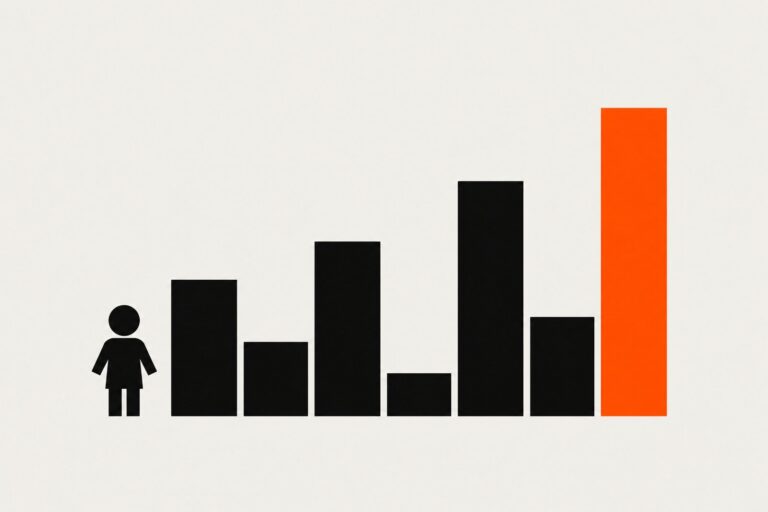
That is a rise of more than twelve times in sticker price. Some of it is just inflation. In 2023-24 dollars, the 1980-81 price was $2,872 (NCES, 2024). So after inflation, tuition is about 3.4 times what it was ($9,872 divided by $2,872).
Counting the hours
The federal minimum wage was $3.10 an hour on January 1, 1980, and $3.35 a year later. It is $7.25 now, and has been since July 24, 2009 (U.S. Department of Labor). Divide the tuition bill by the wage, and you get hours of work, before taxes.
| Year | Tuition and fees | Minimum wage | Hours to earn it | Full-time weeks (40 hrs) |
|---|---|---|---|---|
| 1980-81 | $804 | $3.10 | about 260 | about 6.5 |
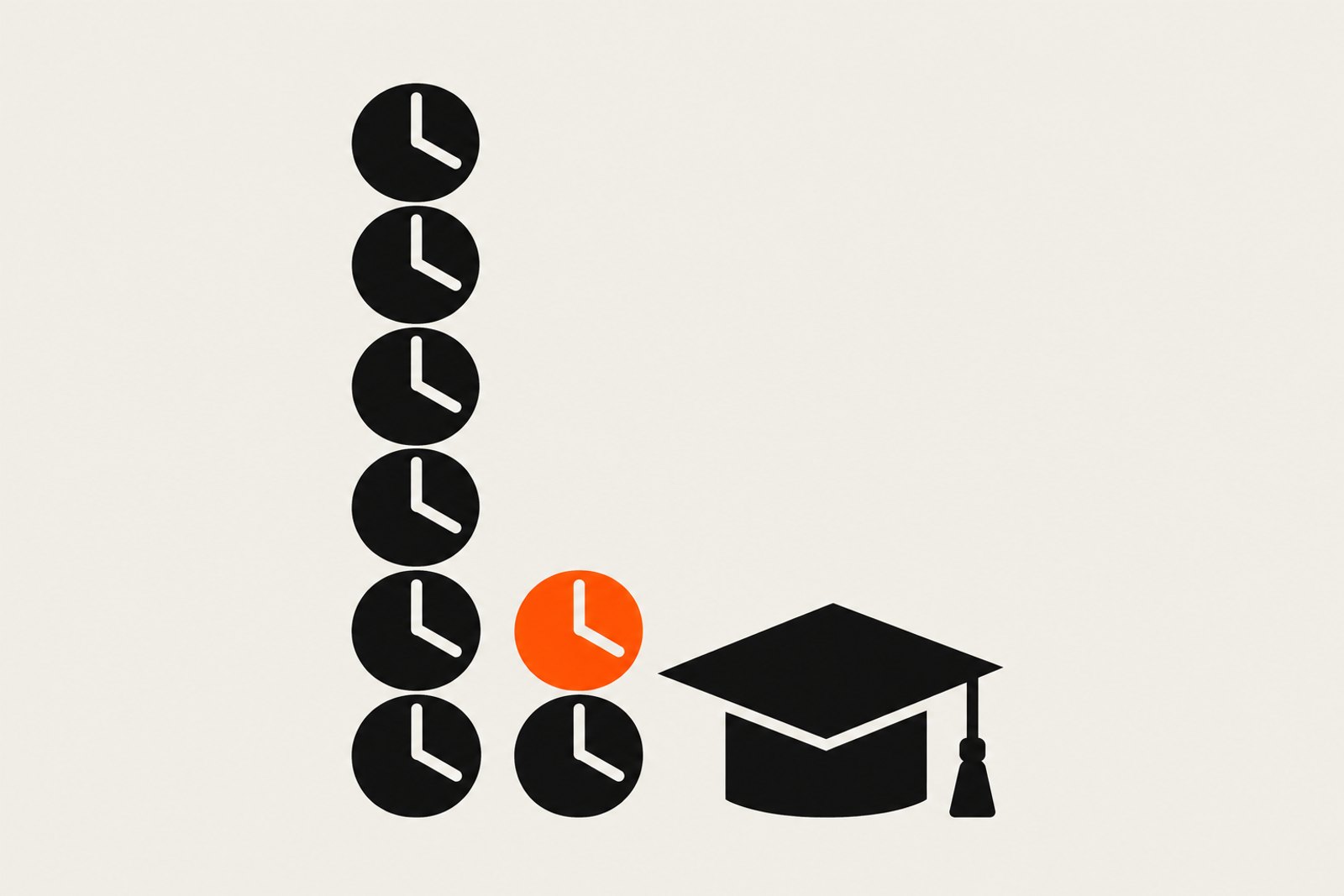
| 2023-24 | $9,872 | $7.25 | about 1,360 | about 34 |
The math: $804 divided by $3.10 is 259 hours. $9,872 divided by $7.25 is 1,362 hours. Using the $3.35 wage from 1981 would make the old figure about 240 hours. Either way, the answer is around five times as many hours today.
What a summer buys
Say a student works full time for ten weeks, or 400 hours. In 1980 that was about $1,240 before taxes, enough to cover the $804 bill with room to spare. At $7.25, ten weeks brings in $2,900, or about 29% of the $9,872 sticker price. The summer job that once covered tuition now covers less than a third of it.
A summer of minimum wage once paid for a year of college. Now it pays for a semester’s textbooks and a bit more.
Our own line, not a quote from a source
Part of the story is the wage, not just the tuition
Here is a twist. The 1980 minimum wage was worth more than today’s. The NCES inflation adjustment turns $804 into $2,872, a factor of about 3.57. Applying it to $3.10 gives roughly $11 in 2023-24 dollars, versus $7.25 now. So the student’s pay has lost ground at the same time the price has climbed. Both sides of the ratio moved against the student.
Why the sticker price is not the whole bill
This comparison has limits. Most students do not pay the full sticker price, because grants and scholarships shrink what they actually pay. The College Board’s 2025 report says published tuition and net tuition at public four-year schools are lower than a decade ago after inflation (College Board, 2025). Many students also earn more than the minimum wage. Our table also leaves out room, board, books and transportation, which add to the real cost.
The College Board uses a different method, weighting by enrollment, and puts the average at $11,950 for 2025-26 (College Board, 2025). At $7.25 an hour that is about 1,650 hours. The two series differ, so do not mix them in one chart. They tell the same story.
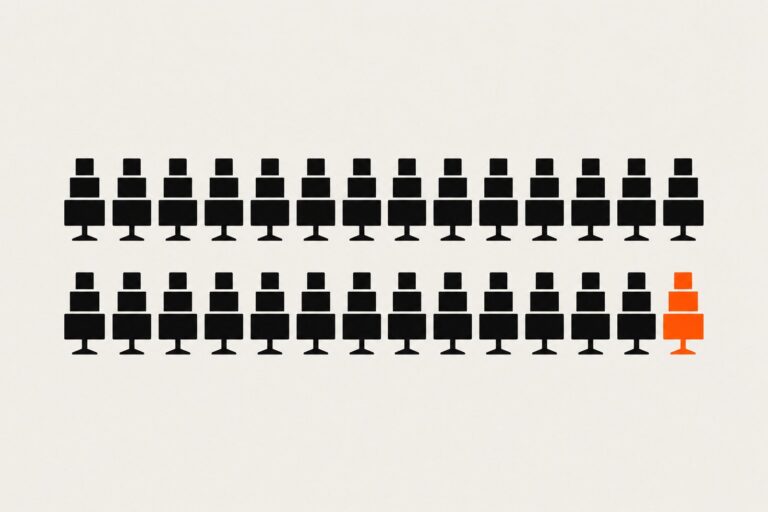
There is one more way to see it. Forty hours a week at $7.25 is $290 before taxes. In 1980 a full-time week at $3.10 brought in $124, and tuition was $804, so about six and a half weeks covered it. Today it takes about thirty-four. The work week did not change. The price of the year did.
The takeaway
The old summer-job-pays-for-college story was true for 1980. Today the same minimum-wage hours fall about a thousand short.
For illustration only. Not financial advice.
Sources
- National Center for Education Statistics, “Digest of Education Statistics 2024, Table 330.10: Average undergraduate tuition, fees, room, and board”, U.S. Department of Education, 2024. link
- U.S. Department of Labor, Wage and Hour Division, “History of Federal Minimum Wage Rates”. link
- College Board, “Trends in College Pricing and Student Aid 2025”, 2025. link